
26 MARCH 2024
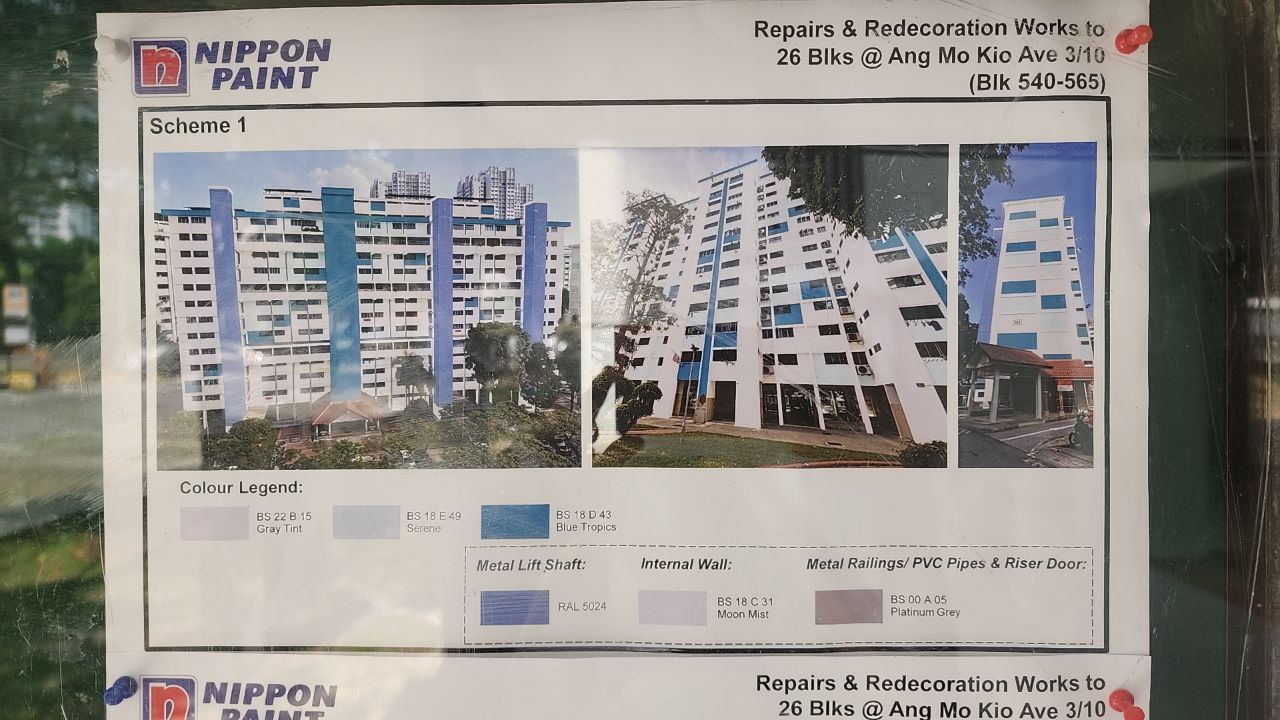
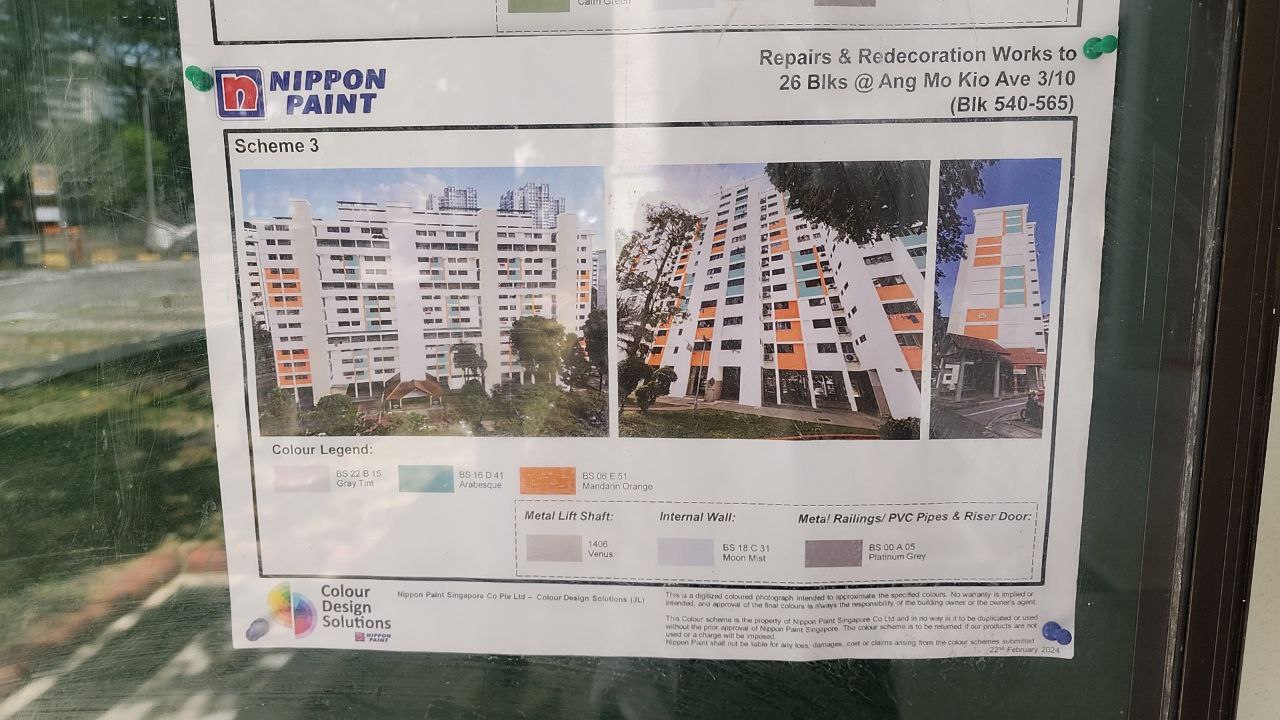
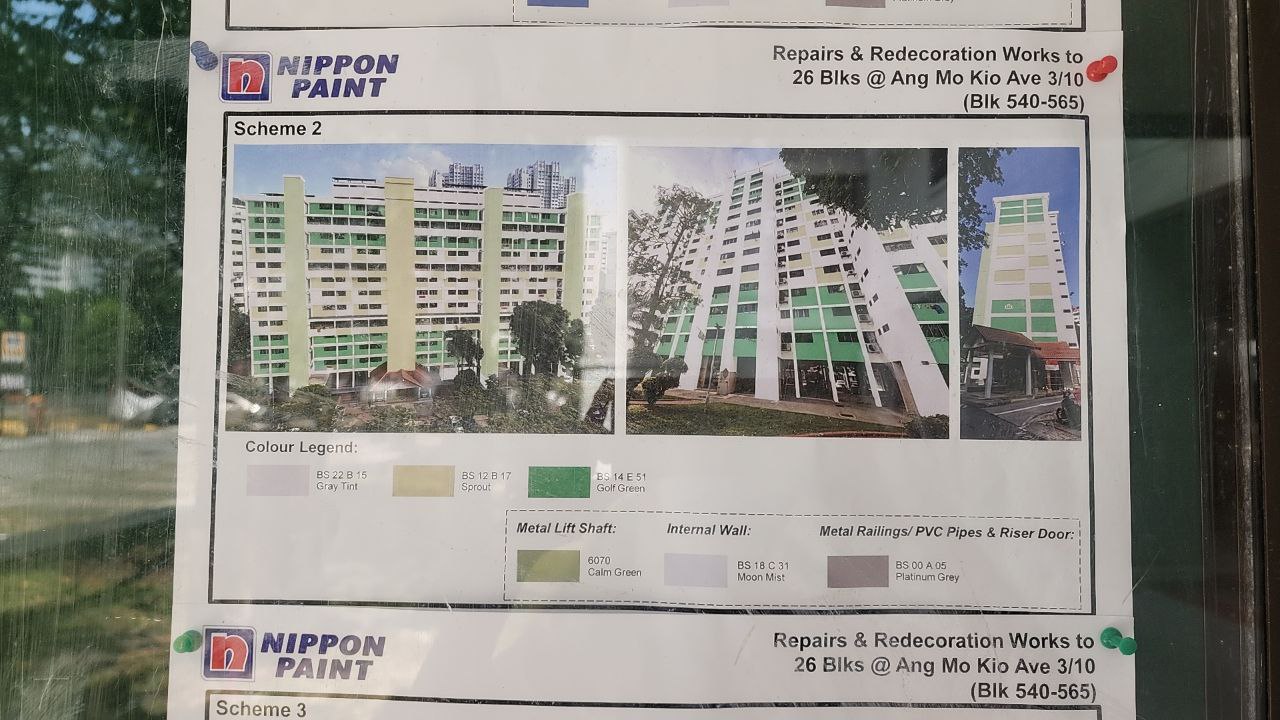
In the bustling heart of Ang Mo Kio Avenue 3 and 10, a decision hangs in the balance—a choice not merely of color schemes but of community investment and foresight. Letters have been dispatched, urging residents to vote on three different color schemes for the repair and redecoration of 26 HDB blocks, including those marked for Selective En bloc Redevelopment Scheme (SERS). As the specter of demolition looms, questions arise: Why invest resources and money in beautifying structures destined for destruction? What value lies in enhancing the aesthetics of homes that will soon stand vacant and be torn down within the decade?
At first glance, such expenditure might seem illogical or wasteful. After all, why dedicate funds to embellishing edifices with a limited lifespan? Yet, beneath this surface lies a deeper narrative—one that speaks to the essence of community, sustainability, and the enduring legacy of shared spaces.
To comprehend the rationale behind beautifying HDB blocks slated for eventual demolition, it’s imperative to adopt a multifaceted perspective—one that considers both the tangible and intangible benefits intertwined with such endeavors.
First and foremost, the physical appearance of residential areas profoundly impacts the well-being of its inhabitants. Studies in environmental psychology consistently affirm the correlation between aesthetics and mental health, with pleasing surroundings contributing to enhanced mood, reduced stress, and increased overall satisfaction. By revitalizing the exteriors of these HDB blocks, authorities not only uplift the spirits of current residents but also contribute to fostering a positive living environment during the transitional period leading up to relocation.
Beautifying these HDB blocks contributes to the preservation of cultural heritage and collective memory. Each building bears witness to the lives lived within its walls—the joys, sorrows, and everyday moments that define the fabric of community. By honoring these spaces through thoughtful design and upkeep, we pay homage to the rich tapestry of human experience, ensuring that future generations inherit a tangible link to their past.
Moreover, the decision to invest in beautification projects serves as an economic stimulus, generating employment opportunities and stimulating local industries. From construction workers to artisans, each facet of the community stands to benefit from the infusion of resources into revitalization efforts. By bolstering economic activity, authorities not only bolster the resilience of local communities but also lay the groundwork for future growth and prosperity.
Critics may argue that such expenditure could be redirected towards more pressing needs or infrastructure projects. However, the value of community extends beyond mere fiscal calculations—it encompasses the intangible bonds that unite us as neighbors, friends, and fellow citizens. In investing in the beautification of HDB blocks, we invest in the social fabric that sustains us, nurturing a sense of collective pride and identity that transcends the boundaries of brick and mortar.
Furthermore, the temporal nature of these structures does not diminish their significance—in fact, it underscores the impermanence of all things and the importance of cherishing the present moment. While these HDB blocks may eventually be demolished, their impact endures in the memories forged within their walls and the bonds shared among neighbors. By investing in their beautification, we honor this legacy and ensure that its spirit lives on in the hearts and minds of all who have called these places home.
In conclusion, the decision to beautify HDB blocks slated for eventual demolition embodies a commitment to community, sustainability, and collective well-being. Beyond mere aesthetics, it speaks to the enduring value of shared spaces and the legacy we leave for future generations. In embracing this ethos, we affirm our dedication to fostering vibrant, inclusive communities where every individual is valued and respected. As we navigate the complex terrain of urban development, let us remember that our greatest legacy lies not in the structures we build, but in the connections we forge and the lives we touch along the way.