
🤔 Introduction: Why Construction Methods Matter to Us
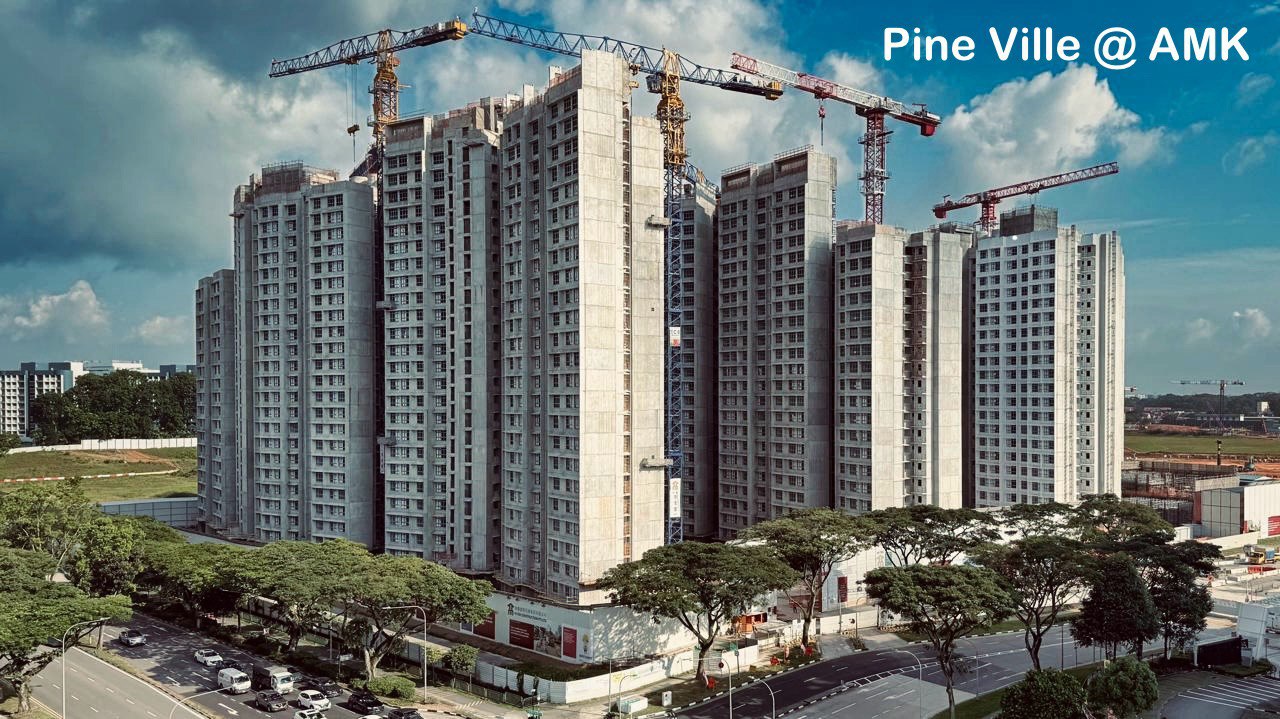
When HDB announced the Ang Mo Kio SERS in 2022 📢, many of us were initially overwhelmed by the transition process. However, as we approach the construction phase of our replacement flats at Pine Ville @ AMK, it’s important to understand how modern construction technologies will impact our new homes 🏡. The replacement site will offer about 1,065 new flats comprising 2-room Flexi, 3-room and 4-room flats, estimated to be completed in 3rd Quarter 2027 📅.
The construction method chosen can significantly affect build quality ✅, completion timeline ⏰, and long-term living experience. Let me break down the two main advanced construction systems being used in Singapore’s public housing sector today.
Infographics – AMK SERS 2022
🏗️ APCS vs PPVC Construction
Modern Building Methods for Pine Ville @ AMK
📅 Pine Ville @ AMK Expected TOP: Q3 2027 | 🏠 1,065 New Flats
🏭
Advanced Precast Concrete System (APCS)
Factory-manufactured concrete components assembled on-site with enhanced automation and standardized connections.
- Climate-controlled manufacturing
- Standardized modular elements
- Proven Singapore technology since 1980s
- Cost-effective for large projects
- Good quality control
🧩
Prefabricated Prefinished Volumetric Construction (PPVC)
Complete room modules with finishes, fixtures, and fittings manufactured off-site and assembled like building blocks.
- 70% work completed off-site
- Plug-and-play assembly
- Minimal weather dependency
- Excellent quality control
- Fastest construction method
📊 Detailed Comparison Chart
Aspect
🏭 APCS
🧩 PPVC
⚡ Construction Speed
Moderate improvement
50% faster
🎯 Quality Control
Good factory control
Excellent control
🌧️ Weather Impact
Reduced dependency
Minimal impact
💰 Cost Efficiency
Very cost-effective
Higher upfront cost
🔧 Customization
Moderate flexibility
Limited variations
🔇 Site Noise
Moderate disruption
Minimal disruption
🏠 Impact on Pine Ville @ AMK Residents
⏰
Faster Completion
Earlier return to permanent housing, reduced rental assistance period
✅
Better Quality
Factory-controlled manufacturing ensures consistent build quality
🌱
Eco-Friendly
Reduced waste, lower carbon emissions, sustainable construction
🏡
Modern Living
Better insulation, efficient utilities, improved living spaces
📍 Pine Ville @ AMK | 🏗️ Modern Construction for Future Living | 📅 Q3 2027
An AMK SERS Resident’s Guide to Construction Technologies
🏭 What is Advanced Precast Concrete System (APCS)?
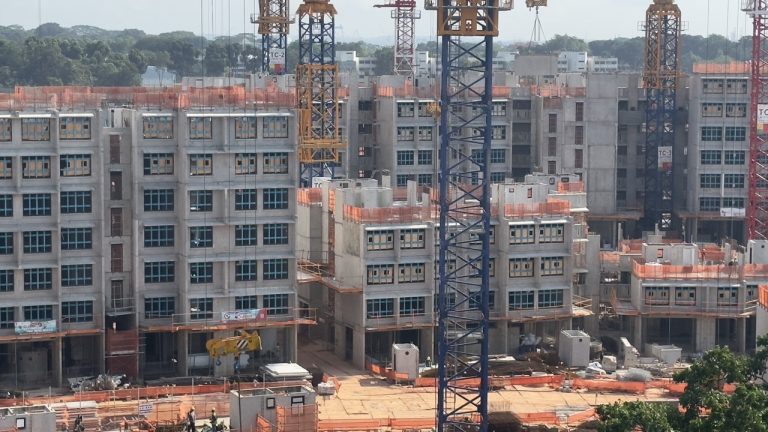
Advanced Precast Concrete System is an evolved form of traditional precast construction that Singapore has been refining since the 1980s 🔧. HDB is an early adopter of prefabrication technology. We first used precast components for the construction of flats in the 1980s.
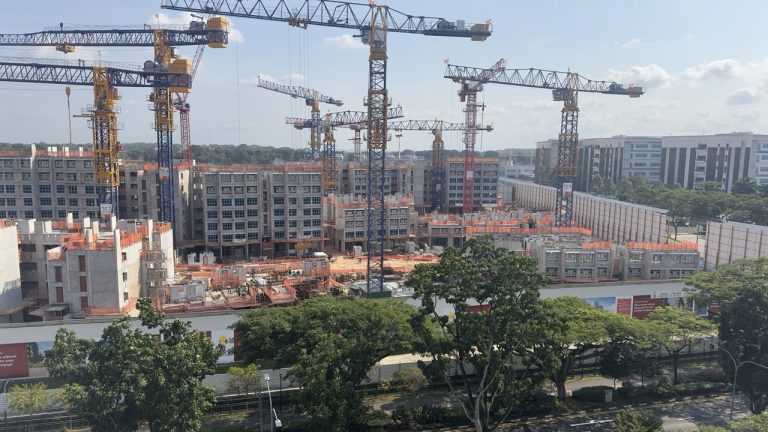
APCS involves manufacturing concrete building components in controlled factory environments 🏭 before transporting them to construction sites for assembly. The system has been significantly enhanced over the years with advanced connection methods and improved manufacturing processes.
🔧 Key Features of APCS:
- Factory-controlled production 🏭: Components are manufactured in climate-controlled facilities, ensuring consistent quality regardless of weather conditions
- Standardized connections 🔗: This guidebook provides guidance on incorporating design for manufacturing and assembly (DfMA) principles in the design, fabrication, and installation of advanced precast concrete system (APCS).
- Modular approach 🧩: Buildings are constructed using standardized precast elements like walls, floors, and facades
- Enhanced automation 🤖: Modern precast plants use conveyor systems and automated processes to improve efficiency

What is Prefabricated Prefinished Volumetric Construction (PPVC)?
PPVC represents a more advanced form of modular construction where entire room modules are manufactured in factories with complete finishes, fixtures, and fittings already installed. These modules are then transported to sites and assembled like building blocks.
Key Features of PPVC:
- Complete room modules: Each module arrives with flooring, ceiling, walls, windows, doors, electrical systems, and plumbing already installed
- Higher level of prefabrication: Up to 70% of construction work is completed off-site
- Plug-and-play assembly: Modules are connected on-site with minimal additional work required
- Quality control: All finishing work is done in controlled factory environments

Impact on Pine Ville @ AMK: What This Means for Residents
Construction Timeline and Disruption
Completion is slated for Q3 2027, and the construction method chosen will directly impact whether this timeline is met. Both APCS and PPVC offer advantages over traditional construction, but PPVC typically provides faster completion times due to its higher degree of off-site preparation.
For us as displaced residents, faster construction means:
- Earlier return to permanent housing
- Reduced rental assistance period
- Less prolonged disruption to our lives and routines
Build Quality and Durability
Factory-controlled manufacturing in both systems means:
- Consistent concrete strength and curing
- Better weatherproofing and insulation
- Reduced defects compared to traditional on-site construction
- More predictable maintenance schedules
Living Experience Improvements
Modern construction methods typically result in:
- Higher headroom compared to flats in typical BTO projects which have beams. As a result, residents will have greater flexibility in configuring their living spaces
- Better sound insulation between units
- More efficient building services integration
- Improved energy efficiency
Long-term Value Considerations
The construction method can affect:
- Structural longevity and maintenance costs
- Utility efficiency and running costs
- Potential for future upgrading and modifications
- Overall property value retention
Environmental and Community Benefits

Both APCS and PPVC contribute to sustainability goals:
- Reduced construction waste
- Lower carbon emissions through optimized manufacturing
- Decreased noise pollution during construction
- More efficient use of materials and resources
For our AMK community, this means less disruption during construction and a more sustainable living environment once completed.
What to Expect: Preparing for Our New Homes
As Pine Ville @ AMK residents, we should prepare for:
During Construction – Wishful thinking
- Regular project updates from HDB – not happening at the moment 🙁
- Potential site visits to monitor progress – ownself taking photos from roadside and ITE Central
- Opportunities to understand building systems for future maintenance – wait long long
- Community engagement sessions about the new development – another wait long long
Post-Completion – Let’s see if that happens
- Orientation sessions about building systems and maintenance
- Understanding any unique features of the construction method used
- Connecting with building management for any system-specific queries
- Adapting to new living spaces designed with modern construction methods
Embracing Modern Construction for Better Living
Whether Pine Ville @ AMK utilizes APCS or PPVC, we can be confident that modern construction methods will deliver significant improvements over our previous homes. These technologies represent decades of innovation in Singapore’s public housing sector and promise better quality, faster delivery, and enhanced living experiences.
As SERS residents, we’re not just getting new homes – we’re gaining access to the latest in construction technology and urban planning. The Q3 2027 completion date gives us something concrete to look forward to, and understanding these construction methods helps us appreciate the complexity and innovation behind our new community.
The transition from old AMK flats to Pine Ville @ AMK represents more than just a change of address; it’s a step forward into Singapore’s next generation of public housing, built with methods that prioritize efficiency, sustainability, and resident satisfaction.
Disclaimer: This article represents the views of one particularly opinionated orange tabby and should not be considered official housing advice. For serious SERS inquiries, please consult HDB directly – they have fewer hairballs and more accurate information.